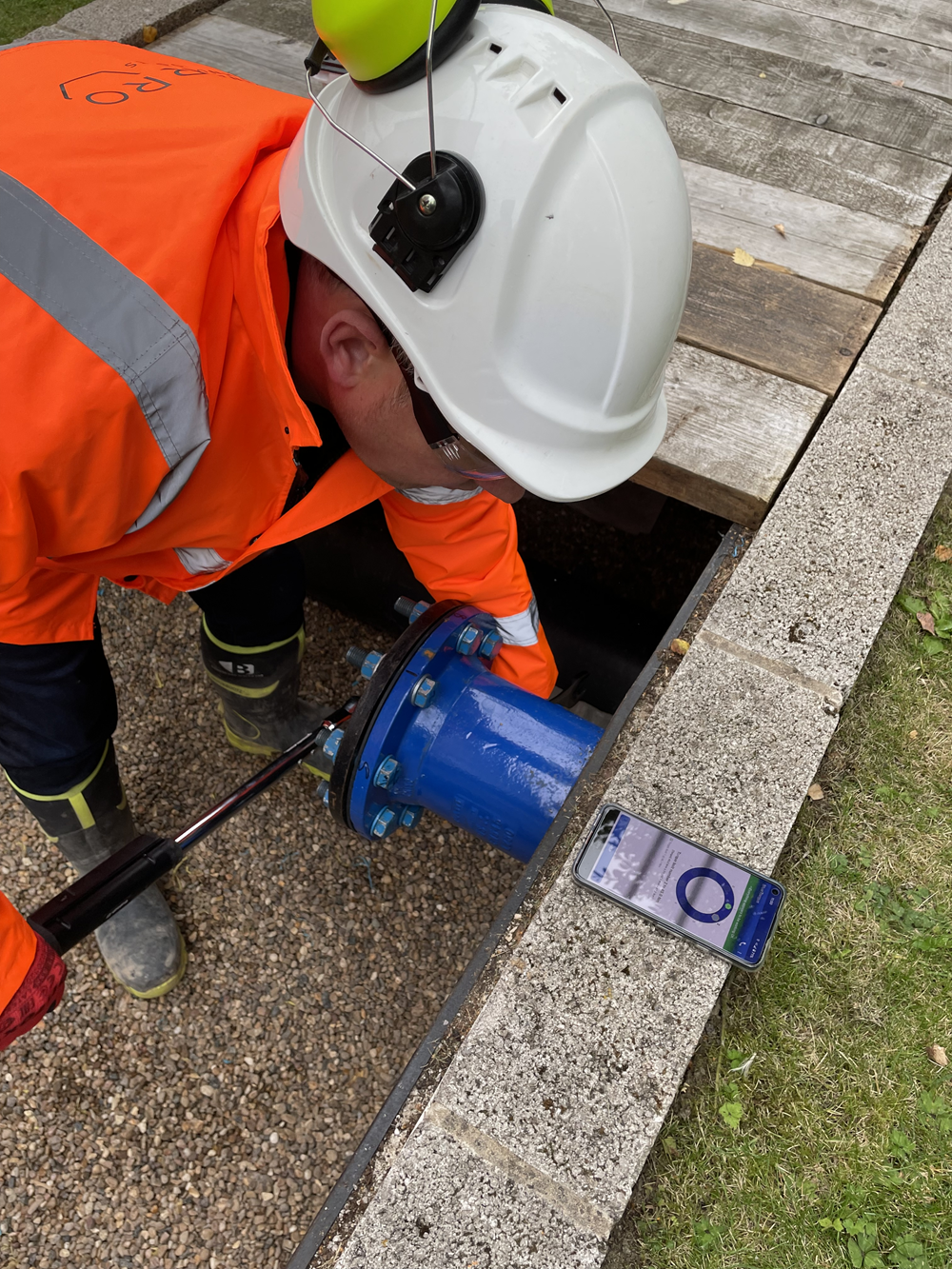





Pipeline failures do not always stem from ageing infrastructure - many begin at installation, writes Ben Crabtree, global product line director, Ovarro. Errors in jointing, manual testing and inconsistent quality assurance (QA) processes can reduce pipeline quality, leading to leaks, rework and increased costs.
Construction defects account for a significant proportion of pipeline incidents, underlining the need for greater confidence, precision and traceability in how networks are laid. Many faults only become apparent once a pipe is buried and under pressure.
At that stage, identifying and fixing issues becomes significantly more challenging, both operationally and financially. As utilities progress mains replacement programmes, the quality of pipeline installation forms a key part of the leak reduction efforts by preventing failures before they occur.
In a new report, the UK’s independent climate advisors, the Climate Change Committee, set out eight key areas for government action to address the growing impacts of climate change. Accelerated leakage reduction was identified as one way to tackle water shortages, with technology to provide up-to-date and real-time...
Preventing pipeline failures before they happen